
If you have ever asked, “are seaweed and kelp the same thing?” you are not the only one. Kelp is a large type of brown seaweed. Seaweed extract can come from many kinds of ocean plants. You might see extracts from red and brown seaweed in products for health, gardening, or skin care. These include:
- Brown seaweed used for alginate
- Red seaweed used for agar
- Wild seaweed, like Irish Moss, used for carrageenan
Kelp extract is rich in minerals. Seaweed extract varies depending on its source. Understanding the difference between kelp and other types of seaweed helps you choose the right product for your needs. Both kelp and seaweed provide nutrients, but each extract is most effective in different applications.
Key Takeaways
- Kelp is a big brown seaweed. Seaweed means many kinds of plants from the ocean. Knowing this helps you pick the right extract for what you need.
- Kelp extract has lots of iodine. Iodine helps your thyroid stay healthy. If you need more iodine, kelp is the best choice.
- Seaweed extract comes from different seaweed types. It gives you different nutrients. Each kind has its own good points. Think about your health goals before you pick one.
- Gentle ways of getting extracts keep more nutrients safe. Look for products that use low-pressure methods. These are better for quality.
- Kelp and seaweed extracts help gardens by making soil better and plants grow strong. Pick the one that works best for your garden.
Are Seaweed And Kelp The Same Thing?

You may ask if seaweed and kelp are the same. Lots of people wonder about this when they see these words on products. To find out, we need to see how scientists group these ocean plants and what makes them different.
Kelp Definition
Kelp is a special kind of seaweed. It grows in cold water with lots of nutrients. You often find kelp near rocky shores. Kelp belongs to the Laminaria order and is a brown macroalgae. It can grow very fast and get really long, from 30 to 100 feet. Some kelp can grow half a meter in just one day. Kelp makes underwater forests that give homes to sea animals. Kelp sticks to the ocean floor and has long, leaf-like blades and bendy stems. Kelp is the biggest seaweed and has lots of iodine and calcium.
Tip: Kelp is not just any seaweed. It is huge and very important for ocean life.
Seaweed Definition
Seaweed is a big group of plants. It includes many types of marine algae, like kelp. Seaweed comes in red, brown, and green colors. You can find seaweed in oceans, lakes, and rivers. Some seaweed is tiny and soft, while others are bigger and tougher. Some seaweed floats, but others stick to rocks or sand. Seaweed gives us nutrients and is used in food, supplements, gardening, and skincare. So, kelp is one kind of seaweed, but not all seaweed is kelp.
Note: Seaweed extracts come from many species, like Ascophyllum nodosum, Laminaria digitata, and Ecklonia maxima. Each kind has its own special benefits.
Structural Differences
To tell kelp and seaweed apart, look at how they are built. Kelp is easy to spot because it is big and strong. It grows tall and has wide blades that look like leaves in a forest. Kelp holds onto the ocean floor and does not float. Most other seaweed is smaller and has thin, ribbon-like fronds. Some seaweed floats and grows in many places, even in freshwater.
Here is a table that shows the main differences:
| Feature | Kelp | Seaweed |
|---|---|---|
| Size | Can grow up to 100 feet in length | Generally smaller and more delicate |
| Structure | Long, wide blades resembling a forest | Thinner, more flexible with ribbon-like fronds |
| Habitat | Found in colder, nutrient-rich waters | Grows in various environments, including freshwater |
| Nutrient Composition | High in iodine, rich in vitamins and minerals | Also nutritious, but varies by type |
Kelp is the biggest seaweed and grows in cool water. It makes thick underwater forests. Other seaweed can live in many places and comes in different shapes and sizes. Kelp stays in one spot and does not float, but some seaweed floats freely.
If you ask if seaweed and kelp are the same, now you know kelp is a special seaweed. It grows fast, gets very big, and has lots of nutrients. Seaweed is a group with many types, each with its own look and use. Knowing these facts helps you pick the right extract for health, gardening, or skincare.
Key Differences In Sources And Extraction
It is important to know the differences between kelp extract and seaweed extract before you buy one for your garden, health, or skin. Where the extract comes from and how it is made changes how it works as a fertilizer and how it helps soil and plants.
Kelp Extract Source
Kelp grows in cold water with lots of nutrients. You can find kelp near rocks in the ocean. It forms thick underwater forests. Most kelp for extract is picked from the wild. People use their hands or machines to collect it. Some companies use special ways to keep the kelp’s nutrients safe. For example, Kelpak uses a gentle process with low pressure. This process breaks open the kelp’s cell walls and lets out the inside fluids. It keeps the good stuff in kelp safe. Other ways, like crushing or grinding, can hurt the kelp and make it less useful as a fertilizer. When you use kelp extract, you add minerals and trace elements to your soil. Kelp extract helps soil hold water and helps plants grow better.
Tip: If you want a fertilizer that keeps more nutrients, pick kelp extract made with gentle methods.
Seaweed Extract Source
Seaweed extract comes from many kinds of ocean plants. You can find seaweed in oceans, lakes, and rivers. The most used seaweed types for extract are brown and red seaweed. Brown seaweed gives us alginate. Red seaweed gives us agar. Carrageenan comes from different seaweeds grown in warm places. People pick seaweed from the wild or grow it on farms. Where the seaweed comes from changes what nutrients are in the extract and how it works as a fertilizer. Seaweed extract can help soil and make plants stronger.
Here is a table that shows the main seaweed types used for making extracts:
| Seaweed Type | Hydrocolloid Produced | Market Value (US$) |
|---|---|---|
| Brown Seaweeds | Alginate | 213 million |
| Red Seaweeds | Agar | 132 million |
| Various Seaweeds | Carrageenan | 240 million |
You can see brown seaweed is the main source for alginate. Red seaweed is important for agar. Carrageenan comes from many seaweed types and is made more in warm places.
- Alginate comes from brown seaweed, mostly picked from the wild.
- Agar is made from two kinds of red seaweed, with more farming since the 1990s.
- Carrageenan is made from different seaweeds, mostly in warm places.
When you use seaweed extract as a fertilizer, you add nutrients to your soil and help plants grow strong.
Extraction Methods
How kelp and seaweed are processed changes how good the extracts are. Many products use machines to crush or grind the seaweed. This can break down the good parts and make the extract less helpful as a fertilizer. Some companies use gentle ways, like low pressure, to keep the nutrients safe. For kelp, the low-pressure method breaks open the cell walls and lets out the fluids without hurting the minerals. This makes kelp extract work better for soil and fertilizer.
Seaweed extraction is different for each type. Brown seaweed is often crushed to get alginate. Red seaweed is processed for agar, sometimes with heat and chemicals. Carrageenan is made in different ways, depending on the seaweed and the country. How you process seaweed changes how well the fertilizer works and how much it helps your soil.
Note: If you want the best fertilizer for your soil, check how the kelp or seaweed extract was made. Gentle processing keeps more nutrients in the fertilizer.
Now you know the main differences in where kelp and seaweed extracts come from and how they are made. Kelp grows in cold water and needs careful processing to keep its nutrients. Seaweed comes from many places and types, with different ways to make the extract. Both extracts help soil and plants, but where they come from and how they are made changes how they work as a fertilizer.
Nutrient Profiles Of Kelp And Seaweed
When you look at kelp and seaweed extracts, you will notice that both offer a wide range of nutrients. These nutrients support your health, help your garden, and improve your skin. Each extract has its own strengths, so you should know what makes them different.
Iodine Content In Kelp
Kelp stands out because it contains a high amount of iodine. You need iodine for a healthy thyroid. If you do not get enough iodine, your body cannot make important hormones. Kelp gives you more iodine than most other seaweed. Some seaweed types have iodine, but kelp usually has the highest levels. You should check the label if you want to use kelp extract for iodine. Too much iodine can cause problems, so use the right amount.
Note: If you want to boost your iodine, kelp extract is a strong choice.
Trace Elements And Vitamins
Both kelp and seaweed extracts give you many trace elements and vitamins. These nutrients include magnesium, zinc, iron, and copper. You also get vitamins A, C, E, and some B vitamins. Seaweed extracts often contain antioxidants, which help protect your cells. Kelp provides a rich mix of these nutrients, but the exact amount depends on where the kelp or seaweed grows. You can use the table below to compare some common nutrients:
| Nutrient | Kelp (per 100g) | Seaweed (average per 100g) |
|---|---|---|
| Magnesium | 121 mg | 100 mg |
| Iron | 2.8 mg | 2.5 mg |
| Vitamin C | 3 mg | 2 mg |
You get a variety of nutrients from both extracts, but kelp often has higher levels.
Calcium And Other Minerals
You will find that kelp and seaweed both supply calcium and other minerals. Calcium helps your bones and teeth stay strong. Kelp is known for its high calcium content, sometimes more than dairy products. Seaweed also gives you calcium, but the amount can change based on the type. Other minerals in these extracts include potassium and sodium. These nutrients help your body work well and keep your plants healthy if you use them in the garden.
- Kelp: High in calcium, potassium, and magnesium.
- Seaweed: Good source of calcium, but levels vary.
If you want a natural way to add nutrients to your diet or soil, kelp and seaweed extracts are both good options. You should pick the one that matches your needs best.
Benefits And Uses Of Kelp And Seaweed Extracts
Health And Supplements
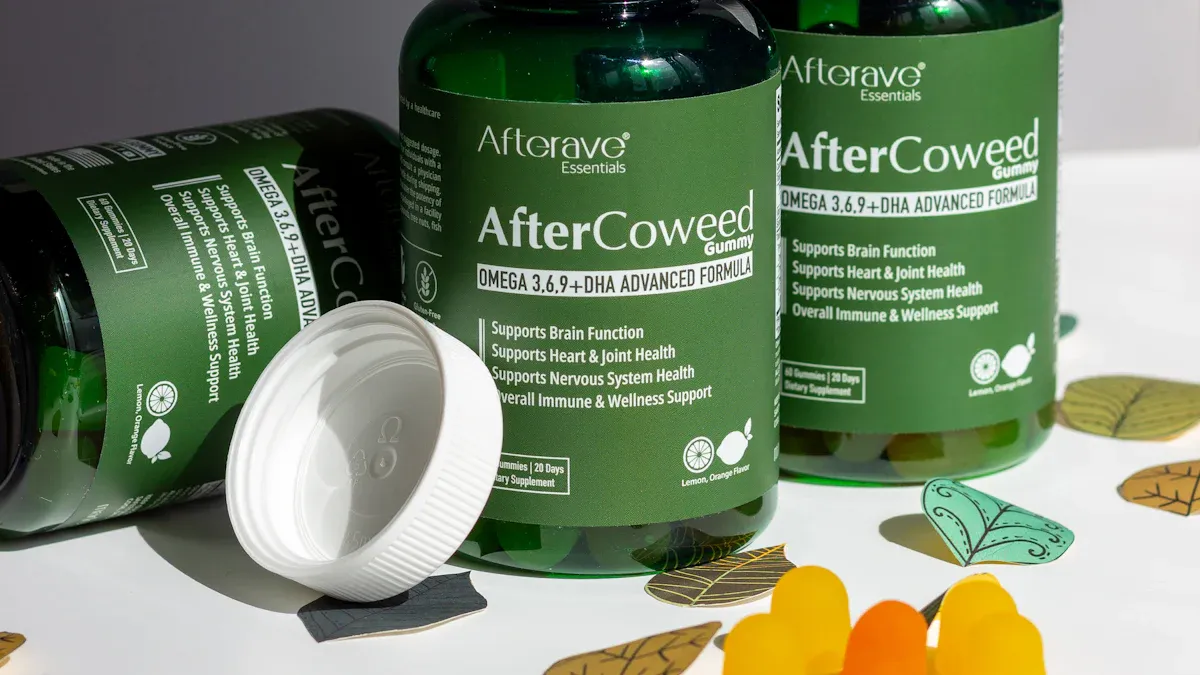
Kelp and seaweed are found in many health products. They are good for you because they have lots of minerals. Kelp has more iodine, which helps your thyroid work. It also helps your body make hormones. Seaweed gives you vitamins and minerals that help you feel better. You can find these extracts in pills, powders, or capsules. People use them to help their immune system and feel stronger. If you want more nutrients, you can eat seaweed in salads or as a snack. Kelp tastes salty and makes soups and salads taste better. The best thing about kelp and seaweed is they give your body minerals and help you grow.
Gardening And Agriculture
Kelp fertilizer and seaweed fertilizer help plants grow well. You can use them to make your plants stronger and healthier. Kelp fertilizer works for vegetables, flowers, and lawns. It helps plants take in nutrients and water. This leads to bigger and better plants. Seaweed fertilizer comes from different seaweed types. It helps roots grow, leaves develop, and plants stay strong. You can spray it on leaves or mix it into soil. Many gardeners like seaweed fertilizer because it is safe for the earth. If you want the best garden, try both kelp and seaweed fertilizer. You will see plants grow better, fruits taste sweeter, and crops have more nutrients.
Skincare And Cosmetics
Kelp and seaweed are used in many skin products. These extracts keep your skin moist and calm redness. They protect your skin and help slow aging. Kelp helps your skin hold water, makes more collagen, and stops breakouts. It removes toxins, protects from free radicals, and helps block UV rays. Kelp also helps skin heal faster and stay moist longer. Seaweed gives your skin water, calms it, and protects with antioxidants. You can find these extracts in creams, masks, and cleansers. The best thing about kelp and seaweed in skin care is they make your skin look and feel better. If you want smoother skin, use products with these marine extracts.
Tip: Try using seaweed or kelp in your skin care for more moisture and protection.
You can also eat seaweed and kelp for their taste. Add them to salads for a new flavor and extra nutrients. These ocean plants make your food salty and tasty, and many people enjoy them.
Choosing Between Kelp And Seaweed Extract
Factors To Consider
When you pick between kelp extract and seaweed extract, you should think about a few things. The kind of seaweed in the extract is important. Each kind has different helpful molecules. These molecules can change how your plants grow or how your body reacts. How the extract is made also matters. Some ways keep more nutrients. Other ways might make the extract less useful.
Seaweed extracts have plant hormones like cytokinins, auxins, and gibberellins. These hormones help plants grow and develop. You should look at how much to use and when to use it. Using the right amount at the right time helps plants grow better.
Price is another thing to think about. You want to get good value for your money. Here is a table that shows the price of kelp and seaweed products:
| Product | Price per Unit | Application Rate | Cost per Gallon Applied | Annualized Cost per Gallon |
|---|---|---|---|---|
| Kelpak | $37.00 per liter | 1 tablespoon (1/2 ounce) per gallon | $0.547 | $6.54 |
| Maxicrop Liquid Seaweed | $13.03 per quart | Not specified | Not calculated | Not calculated |
You can see kelp extract might cost more. But you may use less each time, so it lasts longer. Seaweed extract prices change based on the type and how it is made.
Safety And Side Effects
You need to be careful when using kelp or seaweed extracts. Kelp has a lot of iodine. Too much iodine can hurt people with thyroid problems. Seaweed extracts can take in heavy metals like arsenic and cadmium from the ocean. These metals can cause health problems if you eat too much.
Some extracts can mix badly with medicines. Kelp can affect blood thinners, thyroid medicine, and potassium pills. Always read the label and talk to your doctor if you take any medicine.
Here are some side effects you might see:
- Too much iodine can cause thyroid problems.
- Seaweed might have heavy metals.
- Kelp can mix with some medicines.
| Safety Warning/Contraindication | Description |
|---|---|
| High Iodine Levels | Kelp has a lot of iodine; too much can hurt people with thyroid problems. |
| Presence of Heavy Metals | Kelp can soak up toxins like arsenic and cadmium from the sea. |
| Medication Interactions | Kelp can mix with blood thinners, thyroid medicine, and potassium pills. |
Tip: Always buy seaweed and kelp extracts from brands you trust. Pick products that test for heavy metals and show how much iodine they have.
You can see that kelp extract and seaweed extract are different. Kelp has a lot of iodine and helps your thyroid. Other types of seaweed give different nutrients and benefits. Here is a simple comparison:
| Type of Seaweed | Iodine Levels | Nutritional Benefits |
|---|---|---|
| Kelp | High | Helps thyroid and metabolism |
| Other Seaweeds | Varies | May support gut health and immune system |
If you want more iodine for your thyroid, pick kelp. For skin care, choose marine extracts with magnesium and antioxidants. When shopping, check how the product was made. Sustainable farming protects the ocean. Pick the extract that matches your health, garden, or skin needs. 🌱
FAQ
What is the main difference between kelp extract and seaweed extract?
Kelp extract comes from large brown seaweed called kelp. Seaweed extract can come from many types of marine plants. You get more iodine from kelp. Seaweed extract offers different nutrients based on the source.
Can you use kelp extract and seaweed extract for gardening?
You can use both extracts for gardening. Kelp extract helps plants grow strong roots. Seaweed extract improves soil and boosts plant health. Choose the extract that fits your garden’s needs.
Is kelp extract safe for everyone?
Kelp extract contains high iodine. If you have thyroid issues, you should talk to your doctor before using it. Always check the label for iodine content and heavy metal testing.
How do kelp and seaweed extracts benefit your skin?
Both extracts hydrate your skin and protect it from damage. Kelp helps your skin stay moist and supports healing. Seaweed calms redness and adds antioxidants. You can find these extracts in creams and masks.
Which extract is better for supplements?
If you need more iodine, kelp extract works best. Seaweed extract gives you a mix of vitamins and minerals. You should pick the supplement that matches your health goals.